//

Finding yourself staring at a numerical result after taking an autism screening can feel overwhelming. You might feel a mix of relief, confusion, or even more questions than when you started. If you recently completed the Ritvo Autism Asperger Diagnostic Scale-Revised, you are likely looking for a RAADS-R score chart explained to better understand your autism raads-r profile. This guide aims to demystify those numbers, helping you navigate the complex landscape of neurodivergent traits. We will break down what the clinical thresholds actually mean and how to understand your unique behavioral patterns through the lens of this scientific screening tool. By the end, you will have a clearer roadmap for your self-discovery journey. Before diving deep, you might want to visit autism-raadsr.com to ground these explanations in your personal data.
The RAADS-R is not a simple "yes or no" quiz. Instead, it is a sophisticated instrument designed specifically for adults who may have previously "masked" or hidden their traits. Unlike childhood assessments that rely on parental observation, the RAADS-R focuses on your internal experiences. It measures how you perceive social cues, how your brain processes sensory information, and how you focus your interests.
When you look for a RAADS-R score chart explained, you are looking at a cumulative reflection of four distinct areas of your life. The scale is built on the understanding that neurodiversity manifests differently in every individual. Some people experience intense sensory sensitivities but have navigated social rules successfully for years. Others might find social nuances impossible to track while feeling perfectly comfortable in their physical environment. This tool captures those nuances by asking you to compare your current self with your experiences before the age of 16.
The most common question people ask is, "What is a normal score?" In the context of the RAADS-R, "normal" is a relative term. However, clinical researchers have established a threshold that helps separate neurotypical patterns from those on the autism spectrum.
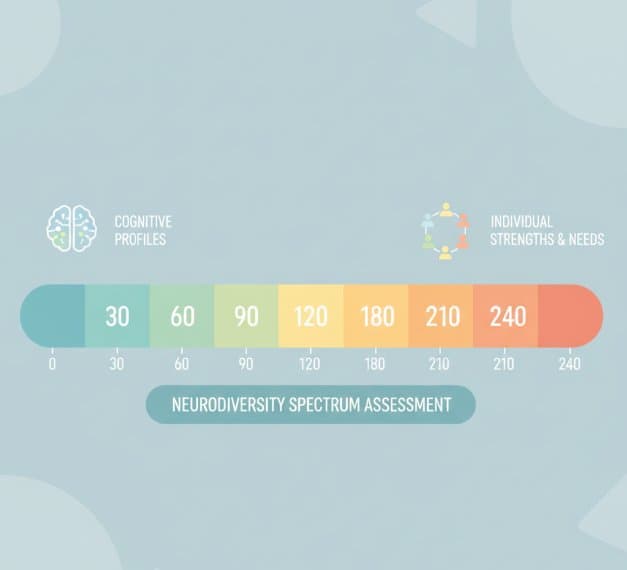
The number 65 is the most significant figure in any RAADS-R score chart explained. In various clinical studies, a score of 65 or higher is considered a strong indicator of autistic traits. Statistics show that very few neurotypical individuals score above this line. If your score is 65 or higher, it suggests that your experiences align closely with the diagnostic criteria for the autism spectrum.
RAADS-R scores can provide significant context based on their placement:
A total score only tells half the story. To truly get your RAADS-R score chart explained, you must look at the subscales. These help pinpoint where your neurodivergent traits are most prominent.

Social relatedness examines how you handle eye contact, "small talk," and interpersonal boundaries. A high score here doesn't mean you lack empathy; rather, it suggests you process social information analytically rather than intuitively. You might find yourself "manually" calculating how to respond in conversations.
This subscale looks at how your brain interprets input from your senses. Many autistic adults score highly here because they experience the world with the volume "turned up." This might include physical pain from loud noises or distress caused by clothing textures.
Understanding your score is a powerful first step toward self-acceptance. However, a static number in a blog post can only go so far. Every individual has a unique "trait profile" that influences how they work and live. If you are curious about the specific nuances behind your numbers, autism-raadsr.com offers a more interactive approach through advanced analysis to break down your patterns.
A single number can sometimes lead to more confusion. Our AI-enhanced tool helps you differentiate your patterns, giving you a "map" of your neurodiversity. When you use our results explained tool, you get visual trait maps and contextual explanations that help you describe your own life.

While the RAADS-R score chart explained here is based on clinical research, it is essential to maintain a healthy perspective. The RAADS-R is highly "sensitive," but it is a screening tool, not a diagnostic verdict.
If your score has confirmed your suspicions, bringing a RAADS-R score chart explained with your specific results can be a helpful advocacy tool.
Professional Preparation Checklist:
Whether your score was 65 or 160, the process of self-reflection is never wasted. Understanding your neurobiology allows you to build a life that accommodates your needs. If you feel ready to go deeper, you can try the test on our site to get a comprehensive look at your trait profile at autism-raadsr.com.
Is a high RAADS-R score a definitive diagnosis? No, it is a screening result indicating a high probability of autistic traits. Only a qualified professional can provide a formal diagnosis.
Can a neurotypical person score high on the RAADS-R? It is rare but possible, often linked to conditions like severe social anxiety or ADHD that share overlapping traits.
Why do different RAADS-R charts look different online? While visual styles vary, the clinical threshold of 65 and the four standardized subscales remain consistent across the scientific community.
What if my score is just below 65? A score slightly below the threshold doesn't mean your experiences aren't valid. It suggests your traits may not fit the specific clinical profile the RAADS-R measures.